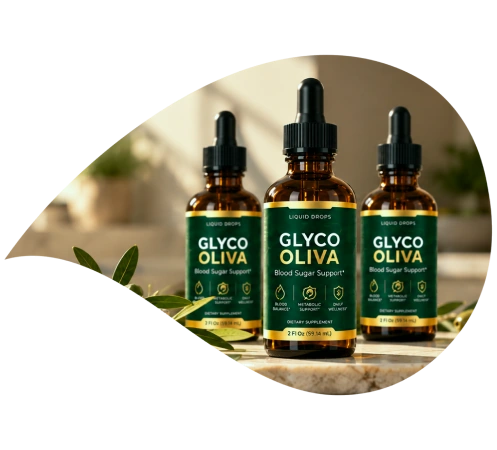
GlycoOliva contains chromium picolinate and a proprietary blend with named botanical ingredients. A liquid format and familiar plant names do not establish that it is suitable for everyone. The useful safety question is whether this exact formula fits your medicines, health history and intended use.
A measured GlycoOliva side-effect rate is not established here. It also does not claim that every possible effect associated with an ingredient has been demonstrated for this finished product. Ingredient-level cautions help you prepare a discussion; they are not a substitute for an individual assessment.
Read the complete bottle label and take a clear photograph to your pharmacist or clinician before starting. If information is missing, resolve it first. You do not need to buy a package in order to ask whether the formula makes sense for you.
Begin with the complete formula
A list of six headline ingredients is not the whole safety review. The product description refers to a 20-ingredient proprietary blend, so the complete panel is needed. Other ingredients and warning statements also deserve attention.
Write down every supplement you already use. A second metabolism formula, multivitamin or energy product may contain overlapping ingredients even when the front labels look unrelated. Reviewing one bottle at a time can miss the bigger picture.
The NIH supplement overview explains why product labels and professional advice matter. Our ingredients guide helps organize the label questions. Bring the actual panel to the conversation rather than relying on a memory of the names in an advertisement.
Chromium and glucose-lowering medicines
Chromium is one reason to discuss GlycoOliva with your healthcare team if you use insulin or other glucose-lowering medicines. The NIH chromium consumer fact sheet describes the possibility of low blood sugar with certain combinations.
Do not respond by reducing prescribed medicine on your own. A supplement purchase does not provide the information needed to change treatment safely. Ask your clinician whether the formula is appropriate and whether any monitoring question needs to be addressed before use.
Keep the conversation specific. Tell them the product name, complete ingredients, label directions and what you already take. Asking whether chromium is natural misses the interaction issue. Asking whether this formula is suitable alongside a named medicine gives them a practical question to assess.
Recognize when a symptom needs prompt attention
Shakiness, sweating, confusion or other unusual symptoms should not be dismissed because a supplement is marketed for wellness. People using diabetes treatment should follow the low-glucose action plan agreed with their care team and seek urgent help for severe symptoms.
The NIDDK low blood glucose guide explains recognition and treatment in detail. Use your clinician’s instructions for your circumstances rather than improvising a response from an online product discussion.
Do not take an extra serving to see whether you feel better, and do not wait for customer support to diagnose a health concern. The seller can answer order questions. A healthcare professional is the right person to assess symptoms, medicines and what to do next.
Green tea extract needs its own check
Green tea leaf extract is among the named GlycoOliva ingredients. Extracts can differ from the beverage people drink. The amount, concentration and other product details matter when discussing suitability.
NCCIH’s green tea overview reports uncommon liver injury associated with some green tea extract products. This does not establish a frequency for GlycoOliva or prove that a particular symptom was caused by it. It does make a casual claim of no possible side effects inappropriate.
If you have liver disease or use other extract-containing products, raise that specifically with your clinician. Keep the complete list available. A safety conversation works better when it considers the combined routine instead of treating each product category as separate.
Ginseng is not one uniform ingredient
Ginseng root appears in the named blend, but botanical identity matters. The word ginseng alone may not provide enough information to match the product with a particular research paper or interaction resource.
The NCCIH Asian ginseng resource discusses safety and medicine-related considerations for that botanical. Do not assume that its findings apply identically to an unspecified preparation. Ask the seller for the exact identity if the label leaves it unclear.
For your pharmacist, a lack of detail is itself useful information. Tell them which questions the label cannot answer. An honest assessment can include a decision to avoid a product when the available information is insufficient, rather than pretending that an incomplete list allows a precise safety conclusion.
Grape seed and the rest of the blend
Grape seed extract is another ingredient to include in your medication review. NCCIH’s grape seed information advises discussing herbal products with a healthcare provider when medicines are involved.
The same practical approach applies to gymnema, maca and the remaining blend components: identify them exactly and consider the whole formula. Do not assume a botanical can be ignored because it sits near the bottom of a marketing list.
A proprietary blend can make it difficult to assess individual amounts. That does not mean every ingredient is dangerous; it means the information has limits. Your decision should reflect those limits. A long reassuring description cannot replace missing dose or preparation details when those details matter to the professional reviewing the product.
Pregnancy, breastfeeding and younger users
The GlycoOliva product warning directs people who are pregnant, nursing or under 18 to consult a physician. A general adult wellness advertisement is not an invitation to use the product in every stage of life.
Do not adjust the adult serving yourself for a child or assume that a smaller amount solves the evidence gap. A family member’s favorable experience does not establish suitability for someone else, especially when their age or medical situation differs.
NCCIH’s complementary health safety overview is a useful reminder that safety depends on the particular product and person. If you need advice for pregnancy, breastfeeding or a younger person, ask a professional familiar with that care. The purchase can wait until the question is resolved.
Allergies and ingredients outside the headline blend
Read the whole label for allergens and other ingredients. Front-page phrases do not establish that a product is free from a substance you need to avoid. If a specific allergy matters, ask a specific question and request a clear answer about the current formulation.
Keep the packaging from the bottle you receive. It provides a more useful record than an old promotional screenshot if you need to discuss a reaction or compare batches. If the seal or contents appear wrong, do not treat that as an ordinary taste issue.
Seek emergency help for severe allergic symptoms such as breathing difficulty or swelling affecting the airway. Routine questions about flavor, irritation or tolerance still deserve professional advice when they persist or concern you. Do not explain them away as a cleansing phase.
Introduce clarity, not several products at once
Starting several supplements together makes later interpretation harder. If you feel different, you may not know which product, medicine change or routine change is relevant. The answer is not to create an elaborate experiment at home; it is to keep your healthcare team informed and avoid unnecessary complexity.
Before buying, decide whether you can explain your full routine accurately. If the list has become confusing, organize it first. Include nonprescription medicines and products used only occasionally, because the pharmacist cannot assess what you leave out.
Our liquid drops guide covers practical handling, while the dosage guide discusses measuring the stated serving. Neither changes the need for individual advice. A neat schedule does not make an unsuitable combination suitable.
What to record if a concern appears
Write the date, time, amount used and what happened. Include other medicines or supplements taken around the same period. Keep the bottle, batch information and a photograph of the panel. These details can help a professional review the situation without relying entirely on memory.
Do not deliberately take another serving to prove whether the product caused the symptom. A repeat exposure is not a sensible substitute for advice. Contact an appropriate healthcare professional, and seek urgent care when symptoms are severe.
For order-related follow-up, contact the seller separately and keep the message factual. The customer complaints guide explains how to distinguish a health concern from a refund request. Both can matter, but one should not delay the other.
Prepare a useful medication review in ten minutes
Gather the bottles or photographs of everything you use, including occasional products. Write the name, amount and usual timing beside each. Add GlycoOliva’s complete panel as a product you are considering, rather than quietly starting it before asking.
Tell the pharmacist which question matters most: a possible overlap, a named medicine, an existing condition or a previous reaction. That helps focus the conversation. Do not ask them to approve a front-label slogan while the actual formula remains unavailable.
If they need further information from the seller, obtain it before proceeding. A request for more detail is a useful outcome, not an obstacle to work around. It identifies the missing piece that prevents a clear assessment. Keep the professional advice with your product notes so that you do not later replace it with a more reassuring comment from a sales page or social post.
Natural and familiar do not answer the same question
An ingredient can come from a plant you recognize and still need a safety assessment in a concentrated supplement. Familiarity describes your experience of the name. It does not measure the product’s preparation, amount or interaction potential.
Avoid using kitchen comparisons to settle a supplement question. Drinking tea, eating grapes and taking extracts in a proprietary mixture are different situations. The product should be assessed as it is supplied, with its full label and intended serving.
This also prevents the opposite mistake of assuming every botanical is dangerous simply because an extract has a caution. The useful response is proportionate: identify the ingredient, understand the relevant information and ask about your circumstances. Broad reassurance and broad alarm both leave the real question unanswered. A specific review is more useful than either, particularly when you already use medicines or have a health condition that changes the context.
Report a suspected serious reaction with clear facts
The FDA supplement reporting guide explains the route for suspected serious reactions. If you believe a serious reaction has occurred, stop using the product and seek appropriate care. Reporting should support, not delay, that care.
Keep the name, label, batch information, amount used and timing available. Describe what happened without overstating what you know about the cause. A clear report can say symptoms followed use while still acknowledging that a clinician is assessing other possibilities.
Do not wait for the retailer to agree that a reaction was caused by GlycoOliva before seeking help. Conversely, do not assume a report establishes a measured product-wide risk rate. Individual reports and population estimates are different forms of information. Your immediate task is appropriate care and accurate documentation; broader conclusions require a different evidence base.
Ask for advice again when your circumstances change
A past conversation about a supplement does not automatically cover a new medicine, diagnosis, pregnancy or change in treatment. Tell your healthcare team what you use when your circumstances change, including products you have taken for some time without an obvious problem.
Do not assume that familiarity removes the need to mention a supplement. It can be easy to leave an everyday bottle off a list because you no longer think of it as new. The person assessing a medicine combination still needs to know it is there.
Keep an updated list that includes the product name and readable label. If GlycoOliva’s panel changes on a later purchase, include that change too. A useful safety review concerns the current formula and current person. It is not a permanent approval attached to a brand name regardless of what else changes around it.
A guarantee cannot answer a safety question
The 60-day satisfaction promise concerns the purchase terms. It does not remove the chance of an interaction or make a medical uncertainty acceptable. Returning a bottle and protecting your health are different tasks.
Likewise, a larger package offers a lower bottle price, not a better safety profile. Buying more does not make the formula more appropriate for you. The right sequence is label review, suitability discussion, budget check and only then a purchase decision.
Return to the homepage for the overview, or read does GlycoOliva work for the evidence discussion. If you cannot get a clear answer about a medicine combination or ingredient concern, pause. There is no package saving worth using as a substitute for that answer.
Review the current offer.
Compare package quantities, check the complete label and read the seller’s current terms before paying.
Visit Official Website ↗Back to the package comparison