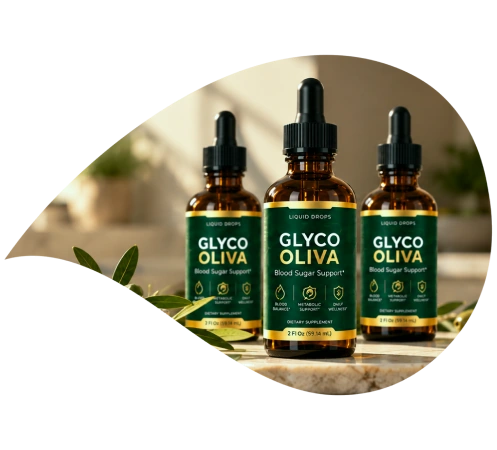
GlycoOliva is a liquid dietary supplement in a dropper bottle. Its supplied directions state 1 mL twice daily, and the product page describes one bottle as a 30-day supply. Read the current bottle label before use and ask about anything that is unclear.
The liquid format is a practical feature. It may appeal if you prefer drops to capsules, but it does not establish faster absorption, stronger effects or better results. Those claims would need suitable evidence for the product and comparison being discussed.
This guide focuses on the ordinary questions that affect use: measuring, handling, storage, travel and keeping a clear routine. Personal suitability still comes first. A well-organized dropper routine cannot solve an interaction or make a formula appropriate for every person.
What the bottle format changes
A liquid supplement requires you to measure a serving rather than count a fixed capsule. That may feel easier for some people and less convenient for others. Consider how you actually manage products during a normal day.
Think about eyesight, hand steadiness, storage space and whether someone else helps you. A small marking is useful only if you can read it. If the device is difficult to use, ask a pharmacist for advice about understanding the stated measurement rather than guessing from the amount inside the tube.
Our dosage guide explains the supplied directions in more detail. Keep the format decision separate from the formula decision. Liking drops is a valid preference, but it does not tell you whether GlycoOliva’s ingredients suit your medicines or intended health goals.
Measure the stated volume
The stated directions use millilitres. Do not assume a full dropper from any bottle equals 1 mL. Devices and fill levels can differ, and a description involving droppers may not give you a reliable conversion without clarification.
Look for the marking on the supplied device and ask how to use it if it is not clear. A kitchen spoon is not an appropriate way to estimate a small measured serving. Do not invent a drops-per-millilitre rule from another product.
Keep one clear set of instructions with the bottle. If a label and a promotional description appear to conflict, ask the seller and pharmacist before proceeding. The purpose is to know the amount you are using, not to find the most convenient interpretation of incomplete wording.
Do not assume how to mix or take the liquid
Follow the current product directions about direct use, dilution or food if they provide those instructions. If the label does not answer a question about mixing, ask the seller. Do not create directions based on what another supplement brand recommends.
The same applies to hot drinks, preparation in advance or transferring the liquid to another container. Without product-specific guidance, an online article should not promise that these methods preserve the formula or deliver the intended serving.
The NIH botanical supplement background explains why preparation and product characteristics matter. It does not provide GlycoOliva-specific mixing instructions. Use broad information to identify questions, then obtain the actual product answer from the appropriate source.
Keep the dropper and bottle identifiable
Use the device intended for the product and do not swap droppers between bottles. Keep the original label attached and readable. A familiar-looking container can become confusing when several liquid supplements sit together.
Avoid leaving the device loose on a shared surface. Close the bottle properly after use and follow any handling directions supplied with it. These are ordinary ways to keep a routine clear; they are not claims that a particular household practice changes the product’s medical effectiveness.
If another person helps you, agree who is responsible for each serving. A simple record can prevent both people from assuming the other has done it, or both giving the same serving. Clarity matters more than building a complicated schedule.
Read storage instructions rather than guessing
Check the label for storage conditions and expiry information. Do not assume the product needs refrigeration or that it is suitable for every temperature simply because it is a liquid. Product-specific instructions take priority over generic supplement tips.
Choose a place that keeps the bottle identifiable and away from children. Consider whether the storage location exposes it to conditions the label tells you to avoid. If you are unsure whether a bottle has been stored appropriately, ask the seller before using it.
Do not judge storage suitability from color alone or try to correct a questionable bottle by changing the serving. Storage, condition and dose are different questions. Resolve the product-condition question directly rather than turning it into an experiment with a smaller amount.
Inspect the product on arrival
Check the quantity, label, seal and visible condition against the order. Keep the receipt and packaging until you are satisfied that the correct product arrived. If something looks wrong, photograph it and contact support before use.
An unfamiliar taste or appearance is not something an article can diagnose. Ask the seller what is normal for the current product and seek healthcare advice if symptoms occur. Do not assume a strong taste proves potency or that a pleasant flavor proves safety.
The where to buy guide covers transaction and arrival checks. Our customer complaints guide explains how to describe a damaged or incomplete order clearly. Keep health concerns separate from routine questions about replacement or delivery.
Plan travel around the actual instructions
If you travel, keep the original labeled bottle and protect it from leaking. Check the relevant carrier and destination requirements for liquids rather than relying on a universal rule in a product article. Requirements can depend on the route and circumstances.
Do not pre-measure several days into an unmarked container unless the product instructions explicitly support the method and a professional has addressed any relevant concern. Losing the label makes it harder to confirm ingredients and directions if a question arises away from home.
If travel makes the routine confusing, ask how to handle it rather than inventing a catch-up amount. A supplement should not become a reason to disrupt prescribed medicine schedules or delay care. Keep the distinction between optional product use and essential treatment visible.
Liquid does not mean clinically superior
The absence of a capsule shell is a format difference. It does not establish that the finished product produces a faster or more meaningful health effect. A comparison needs direct evidence for the products and outcome being compared.
The NCCIH health research checklist helps you examine whether a claim was actually tested. If a page says rapid results, ask what result, in whom and under what conditions.
Our does GlycoOliva work guide separates the ingredient story from finished-product evidence. Choose a liquid because it fits your preferences if the formula is suitable, not because the word drops quietly persuades you that stronger clinical claims have already been proven.
The ingredients still need a full review
GlycoOliva’s named ingredients include chromium and several botanicals. A liquid presentation does not remove their relevance to medicines, allergies or existing conditions. The complete panel is needed before a pharmacist can assess the product properly.
NCCIH’s drug-herb interaction information explains why natural products deserve attention alongside conventional medicines. Our side effects guide identifies useful questions without claiming a measured adverse-event rate for GlycoOliva.
If someone recommends a smaller liquid serving as a universal solution to an interaction concern, do not assume that advice is sufficient. Suitability is not something to calculate casually from bottle volume. Ask an appropriate professional about the exact formula and your actual treatment.
Know what the supply description means
The product describes one bottle as 30 days of supply at its stated routine. Two, three and six bottles are therefore presented as 60, 90 and 180 days. These labels help describe quantity, not how long you must use the product or when a result will appear.
The six-bottle package has the lowest per-bottle price, but you should not buy it simply to commit yourself to a long period of use. If the format does not fit your routine or questions remain about the formula, a larger quantity does not resolve them.
See the price guide for the package totals. Remember that the supplied 60-day satisfaction promise begins on the purchase date, while the largest package contains a longer stated supply. Those timelines should be considered separately.
Keep observations proportionate
If you choose to use the product after a suitability review, keep any notes factual. Record whether the instructions were clear and whether the format fitted your routine. Do not treat ordinary changes in mood or energy as proof of a specific biological effect.
If a symptom concerns you, seek appropriate advice and provide the amount, timing and label. Do not repeatedly take the product to test whether the symptom returns. A home experiment is not required to justify asking for help.
The FDA supplement safety reporting guide explains how suspected serious reactions can be reported. A refund request can follow its own process, but it should not become the place where you wait for a health assessment.
Choose convenience using your own routine
A product photograph shows a controlled scene. Your routine may involve early starts, travel, shared storage or help from another person. Think through those ordinary conditions before deciding a dropper bottle will simplify things.
If reading a small marking is difficult, that matters. If you dislike measuring liquids, that matters too. There is no need to describe drops as better simply because they are the format being sold. A practical preference should reflect what you can use clearly and consistently.
This does not mean another format is automatically a better medical choice. Formula and suitability still need separate assessment. It simply keeps usability honest. You are evaluating how the actual product would fit into your day, not choosing an identity as someone committed to a particular supplement style. A realistic routine is more useful than an idealized one built around the marketing image.
Write down a handling question before contacting support
If you are unsure whether the liquid can be mixed, how the device is marked or what a storage instruction means, ask one clear question at a time. Include a photograph when it helps identify the bottle or device.
Avoid asking whether the product is easy to use. That invites a broad reassurance. Ask how the supplied dropper measures the stated 1 mL, or where the current storage instructions appear. A precise question gives the seller an opportunity to provide a precise answer.
Keep the answer beside the product information so that you do not later follow a different method found in a review. If the response conflicts with the label, seek clarification rather than deciding which source sounds more confident. The goal is one understandable handling routine that fits the current product and any professional advice relevant to your circumstances.
Do not use taste as a quality test
A strong flavor does not establish that a supplement is concentrated, and a mild flavor does not establish that it lacks active ingredients. Taste is a personal observation, not a laboratory analysis or an effectiveness measurement.
If the taste or appearance is unexpected, compare the current bottle information and contact the seller. Do not assume that an unpleasant experience is a normal adjustment period that must be endured. If symptoms occur, obtain appropriate healthcare advice rather than trying to interpret them through the flavor alone.
When writing a review, keep the claim specific: you found the taste pleasant or unpleasant, or the measuring process easy or difficult. Those are useful usability observations. They become less useful when converted into unsupported claims about purity, strength or health effects. A careful description helps other readers decide whether the format might fit them without promising an outcome the observation cannot establish.
Decide whether drops fit your life
Imagine using the product on an ordinary day rather than on a perfectly organized one. Can you read the measurement, store the bottle appropriately and keep the routine clear? If not, the format may be less convenient than the marketing suggests.
Then ask the separate questions about formula, evidence and price. A product can look easy to use while still leaving important information unresolved. The best practical feature is one that fits a purchase you already understand.
Return to the homepage for the overview or read the ingredients guide to examine the blend. Keep the decision plain: confirm suitability, understand the directions, compare the cost and choose only if the whole picture makes sense for you.
Review the current offer.
Compare package quantities, check the complete label and read the seller’s current terms before paying.
Visit Official Website ↗Back to the package comparison