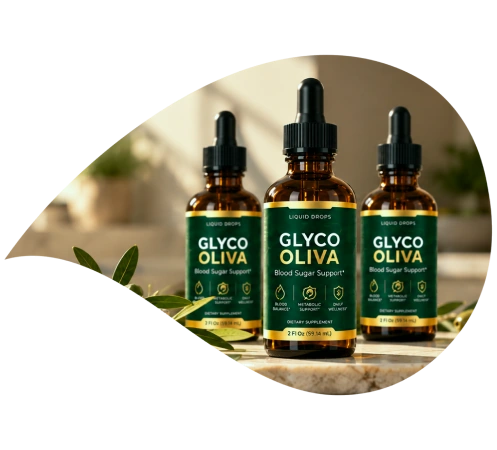
There is a difference between a formula containing researched ingredients and a finished product having reliable evidence for a specific result. GlycoOliva includes chromium picolinate and named botanicals, but ingredient research alone cannot establish that GlycoOliva will lower your blood sugar or improve a medical condition.
A useful answer begins with the claim. Works can mean convenient to use, easy to measure, pleasant to take or capable of changing a health outcome. Each meaning needs different evidence. A delivery receipt can confirm an order; it cannot confirm effectiveness.
Ingredient research is not a clinical trial of the finished GlycoOliva formula. It explains how to assess the evidence you encounter, what cannot be concluded from it and how to keep your purchase decision separate from medical treatment decisions.
Ask what result is actually being promised
A claim about general wellness is broad. A claim about a measured change in glucose is specific. If a page moves between those ideas without explaining the evidence, the wording can create more certainty than the information supports.
Write the claim in one sentence. Then ask what observation would establish it and whether that observation was made in a suitable study. If no one can say what was measured, the claim is too vague to guide a serious health decision.
The NCCIH checklist for health stories provides a useful framework. Our benefits guide applies the distinction to GlycoOliva’s liquid format, wellness positioning and package features. Keeping the claim narrow is the first step toward evaluating it fairly.
Match the exact product, not just one ingredient
A study of chromium is not automatically a study of GlycoOliva. A study of gymnema is not automatically a study of this proprietary blend. The name of a shared ingredient is only one part of a meaningful match.
Check the amount, preparation, route, participants and duration. If the product does not disclose enough to compare those details, the uncertainty remains. Do not fill it with the assumption that a multi-ingredient formula must be more powerful.
The NIH product integrity guidance explains why characterizing ingredients and products matters for research. For your purchase, the practical question is whether the evidence is close enough to support the claim being made, rather than merely close enough to make an appealing paragraph.
Chromium research is relevant but not decisive
Chromium’s role in glucose-related research is a reason to read the evidence, not a reason to skip it. The NIH chromium fact sheet describes differing findings across studies.
A seller can accurately say an ingredient has been studied while still overstating what that means for a buyer. The next questions are whether the results were consistent, how large any change was and whether the tested product resembles the one being sold.
Our ingredients guide explains what information to find on the GlycoOliva panel. A reader should be able to distinguish a biological role from a demonstrated supplement benefit. Those concepts are related, but one does not automatically establish the other for every user or dose.
Botanical studies need the same careful reading
Plant names can make research look more transferable than it is. An extract can differ in species, plant part, concentration and processing. Those details affect whether two products are meaningfully comparable.
The NIH botanical background resource explains why botanical product quality and composition deserve attention. For GlycoOliva, the named ingredients and combined blend weight do not by themselves allow a complete match with every cited trial.
If a study used one extract on its own, keep that distinction visible. Do not silently convert it into evidence for a lower undisclosed amount inside a larger mixture. A genuine research paper can still be the wrong paper to support the sentence beside a product button.
A systematic review does not remove every limitation
A systematic review brings studies together, but its usefulness still depends on the studies included. Small samples, different preparations and varied methods can limit how confidently you apply the conclusion to a particular product.
For example, a Gymnema sylvestre review indexed in PubMed offers ingredient-level research context. It is not a GlycoOliva trial. That distinction remains even when the review reports favorable results.
Read the abstract carefully and look for limitations instead of stopping at a positive phrase. Ask whether a control group was used and whether outcomes were compared appropriately. You do not need to become a researcher to recognize that a study’s design and fit matter more than the existence of a scientific-looking link.
Testimonials cannot isolate a product effect
People often begin a supplement while also changing meals, activity or other habits. If they later feel better, the sequence alone cannot identify which change mattered. A sincere report can be real without proving a causal link.
Expectations can also affect perceived outcomes. NCCIH’s placebo effect explanation describes why comparison groups matter in research. This is not a reason to dismiss people’s experiences; it is a reason to avoid turning one experience into a guaranteed effect.
Our customer reviews and complaints guide separates order feedback from health claims. Read delivery and service accounts for what they can tell you. Use appropriately designed research when the question concerns a health outcome.
One glucose reading is not a product verdict
A single number does not isolate the effect of a supplement. Timing, food, treatment and ordinary variation can complicate the interpretation. If you already monitor glucose, follow the plan agreed with your care team rather than redesigning it to test a product.
The NIDDK A1C explanation describes a measure of longer-term glucose exposure. It should not be confused with an immediate feeling or a single home reading. A clinician can explain which measurements are appropriate and what they mean in your circumstances.
Do not change prescribed treatment to make a personal test of GlycoOliva seem cleaner. That creates a health risk and still does not produce a controlled clinical trial. Keep supplement decisions within your established care, not outside it.
Consider the size and meaning of an effect
Even when a study reports a difference, ask whether it is meaningful for the people involved. A statistically detectable change is not automatically a large practical improvement. The claim should describe the outcome without making it sound bigger than it is.
NCCIH’s guide to reading scientific results helps you examine that question. Check the comparison, duration and relevance before interpreting a result as something you should expect.
For a purchase, you also need to consider uncertainty alongside cost. A small or uncertain possible benefit may not justify the same spend as a well-established result. You can acknowledge promising research while deciding that the information is not strong enough for your own budget or expectations.
Look for evidence that could change your mind
A strong evaluation does not collect only favorable links. Ask what finding would make you less confident and whether the review discusses it. If every possible outcome is described as proof the product is working, the explanation cannot be tested meaningfully.
A report of no change should not be dismissed automatically as a failure to believe, a need for a larger order or a reason to increase the dose. Those responses protect a sales story rather than answer the evidence question.
Our GlycoOliva review avoids assigning an unsupported star score. The same standard should apply to an effectiveness verdict. A confident label such as proven needs a clear basis, not just a polished page and a long ingredient list.
Safety and effectiveness are separate questions
A product could be convenient and still unsuitable alongside a particular medicine. A study showing a possible benefit does not establish that every user can safely take the ingredient. Read the safety discussion as part of the evidence rather than treating it as a footer detail.
The NCCIH diabetes supplement overview puts potential benefits and concerns in context. Our side effects guide helps prepare the questions for a pharmacist or clinician.
Do not use a satisfaction promise to bridge an unresolved safety question. A refund policy concerns money and returns. It cannot prevent an interaction, establish a diagnosis or provide the clinical supervision needed to change a treatment plan.
What would make the product evidence stronger
A more informative evidence package would identify the exact finished formula, disclose the study methods, describe participants and report both benefits and adverse events. It would allow readers to compare what was tested with what is sold.
Clear publication and enough methodological detail would matter more than a headline saying clinically studied. Independent replication would add another useful layer. These are evidence standards, not claims that GlycoOliva has already met them.
If the seller supplies a study, check the title and methods before deciding what it proves. A paper about one component should stay labeled as component research. Ask for clarification when a claim goes beyond the paper. A precise answer is more valuable than a longer list of citations that do not match.
Use a research link as a question, not a seal of approval
When a product page links to a paper, begin by identifying exactly what the paper studied. If the product name does not appear, ask whether the preparation and dose still match closely enough to support the claim. The existence of a citation is not the conclusion of that check.
Then read the outcome. A laboratory finding, a change in a surrogate measurement and a meaningful improvement in daily life are not interchangeable. The article beside the link should not silently move from one to another.
Keep a short note of the match and the gap. For example: ingredient studied, finished formula not studied; dose disclosed in paper, individual amount not disclosed in product blend. That note is more useful than a list of twenty references you have not examined. It shows exactly where the evidence contributes and where a claim still exceeds it.
Ask whether the conclusion fits the participants
A study can be well conducted and still answer a question about people unlike you. Age, diagnosis, treatment and starting measurements can affect how relevant the results are. Do not assume a finding transfers unchanged to every adult shopping for a wellness supplement.
This does not mean you must personally resemble every participant before research is useful. It means the conclusion should remain proportionate to what was tested. Your clinician can help interpret relevance when the decision concerns a condition you manage.
A sales summary often removes those details to make the message simpler. Put them back before using the result to justify a purchase or change in expectations. The useful question is not just whether something happened somewhere in a study. It is whether the evidence is suitable for the claim being made about this product and the person considering it.
Be willing to leave a question unresolved
Sometimes the available information does not establish the outcome you care about. That is a legitimate conclusion. You do not need to turn uncertainty into a positive verdict because the product is affordable, or into an accusation because the evidence is incomplete.
You can decide to wait for better information, ask the seller a specific question or choose not to spend money on an uncertain benefit. You can also discuss an optional supplement with your clinician while keeping expectations limited. Those are different choices, and none requires pretending that the evidence is stronger than it is.
A clear decision says what is known, what remains uncertain and why you chose the next step. That discipline is more valuable than a confident slogan. It also makes future updates easier: if a new finished-product study appears, you can examine the exact unanswered question instead of starting the entire research process again.
Make the decision the evidence can support
GlycoOliva offers a particular format, formula and set of package prices. Those can be compared directly. A promised medical outcome requires a stronger evidence base than the information established in this guide.
If you remain interested, read the full label, discuss personal suitability and choose only a spend you can afford. Do not replace prescribed care or wait for a supplement to resolve concerning symptoms. The decision should remain understandable even if you remove every testimonial and promotional headline.
Return to the homepage for the overview and price guide for the costs. The useful question is not whether a sales page sounds convincing. It is whether the exact claim you care about is supported well enough to influence your own decision.
Review the current offer.
Compare package quantities, check the complete label and read the seller’s current terms before paying.
Visit Official Website ↗Back to the package comparison