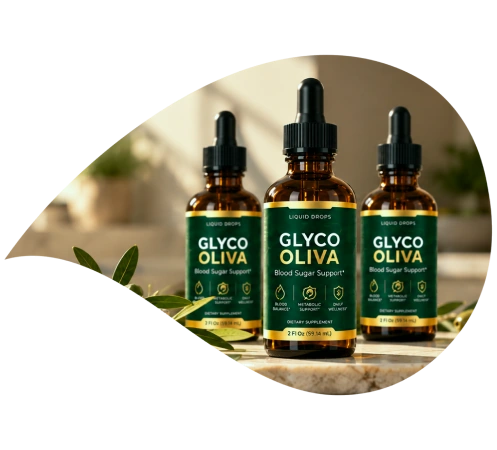
GlycoOliva is offered in three package sizes: two bottles for $158, three bottles for $207 and six bottles for $294. The two-bottle package adds $9.99 shipping. Three and six bottles have listed free US shipping.
The price per bottle falls as the quantity increases: $79, $69 and $49 respectively. That makes six bottles the lowest unit-price option, while two bottles remain the smallest upfront purchase. Those are different advantages and should not be confused.
This guide compares the numbers without assuming that a larger order is the right decision. A useful price comparison includes the final total, intended quantity, return window and your budget. Health expectations need their own evidence; a package saving cannot provide it.
The two-bottle package
Two bottles cost $158 before shipping. Add $9.99 and the listed subtotal becomes $167.99 before any applicable tax. The product describes this package as a 60-day supply at its stated routine.
If you want the smallest available package in this comparison, this is the reference option. Its per-bottle price is higher, but the total cash committed is lower than the three- or six-bottle order. That can matter more than a unit saving when you are limiting optional spending.
Do not describe the two-bottle package as a free trial or a no-cost test. You pay the package amount and shipping, and any later refund depends on the applicable terms. Read the refund guide before relying on the satisfaction promise as part of your decision.
The three-bottle package
Three bottles cost $207 with listed free US shipping. At $69 per bottle, this sits between the other packages in both quantity and unit price. The product describes it as a 90-day supply.
Compared with the two-bottle subtotal including shipping, the three-bottle package requires $39.01 more before any applicable tax. In return, you receive one additional bottle. That is a useful arithmetic comparison, but it is not a recommendation to spend the extra money.
Choose it only if the quantity fits your intended use and budget. Do not treat a middle option as automatically balanced or safest. It is a commercial package size. Questions about ingredients, medicine interactions and evidence remain the same whichever pricing card you select.
The six-bottle package
Six bottles cost $294 with listed free US shipping. At $49 each, it has the lowest bottle price of the three packages. The product describes the quantity as a 180-day supply.
Compared with three bottles, the total is $87 higher for three additional bottles. Compared with the two-bottle subtotal including shipping, it is $126.01 higher. Those differences show why a lower per-bottle price can still require a materially larger spend today.
There is no clinical reason established here for choosing six bottles over a smaller quantity. A larger purchase is a price-and-quantity decision. Our benefits guide explains why the amount you buy should not be mistaken for stronger evidence that the formula will produce the result you want.
Compare like with like
When another page quotes a price, check the quantity behind it. A $49 headline does not match a $158 package total unless you account for the number of bottles. Mixing those figures makes an offer appear cheaper without giving you a usable comparison.
Also check whether shipping is included and whether the price depends on an additional selection. If the final total differs from the reference figures here, read the order summary rather than assuming the page is wrong or that the lower number must apply.
The FTC online shopping resource discusses checking the complete cost and terms. For GlycoOliva, the most useful comparison number is the amount you would actually authorize for the package you intend to buy, not the largest advertised saving.
Think in terms of intended use, not advertised supply
A 180-day supply describes quantity at a stated routine. It does not prove that 180 days are necessary, effective or appropriate for you. It also does not establish that you will use every bottle you purchase.
If the product does not suit your routine, the unused quantity still cost money. Do not calculate value as though every future serving is certain to be used. Your assessment should leave room for the possibility that you decide not to continue.
Our dosage guide explains the supplied directions without creating a treatment course. Use it to understand what the package quantity means. Then decide how much you are willing to commit, rather than letting the supply label create an obligation to buy the largest package.
The guarantee has its own clock
The seller presents a 60-day satisfaction promise from the original purchase date. That timeline does not expand to match the 90- or 180-day package descriptions. A six-bottle order therefore contains more stated supply than the length of the promise.
Before buying, ask what must happen within the window. Does the policy require an initial request, return authorization, shipping or receipt by a certain date? Read the full current terms and obtain clarification if the wording is unclear.
Do not assign the guarantee a cash value as though a refund were automatic. A promise may influence your willingness to purchase, but its usefulness depends on the actual conditions and your ability to follow them. Keep the policy with the receipt rather than relying on a memory of the badge.
Set a budget before entering the checkout
Choose a maximum optional spend that does not interfere with essentials, medicines or agreed care. If a package exceeds that amount, the lower bottle price does not make it affordable. A discount changes the comparison price, not the money available in your account.
Avoid financing a supplement purchase merely to qualify for a larger package. If you are uncertain whether you want the product, adding a payment obligation makes the decision more complicated. The first question is whether to buy; the second is how much.
Our GlycoOliva review brings the formula, evidence and purchase terms together. Read it before deciding that the cheapest bottle price must be the best option. A sound budget decision can be a smaller order or no order.
Do not pay extra for an unproven expectation
A purchase can feel easier to justify when you imagine a specific health improvement. Keep that expectation separate from the price calculation. The product’s ingredient list does not establish a guaranteed change in a medical test or everyday symptoms.
The NCCIH diabetes supplement overview gives context on the limits of the evidence. Our does GlycoOliva work guide explains how ingredient research differs from finished-product evidence.
Do not turn a hoped-for benefit into a promised financial return on the purchase. A supplement is not a substitute for prescribed care, and its price should not be assessed as though it were a proven treatment that will necessarily save other costs later.
Bonuses should be priced at what they are worth to you
The offer includes package bonuses. This guide does not assign a dollar value to them or assume that they change the clinical value of the formula. If a current offer includes extras, inspect what they actually are.
A bonus you would not use does not justify a higher total. A digital guide or additional item should be considered separately from the bottle price. Ask whether accepting it changes any charge, condition or return requirement.
Keep the package comparison simple enough that you can explain it without promotional language. You are buying a stated number of bottles at a stated total. Extras may be welcome, but they should not obscure the quantity, shipping, taxes or terms of the main purchase.
Check for ongoing charges instead of assuming
Read the current checkout to see whether the selected order is a single purchase or creates any ongoing billing arrangement. This guide does not claim an undisclosed subscription exists. It recommends checking the actual authorization before you give it.
The FTC subscription guidance explains why those details matter. A package price and an ongoing commitment are different kinds of cost, so both should be clear if they apply.
If you do not understand an optional selection, pause and ask. Remove unwanted extras before paying and check the final summary again. A clear receipt should match the quantity and total you intended to authorize, rather than surprising you after the payment has been processed.
Keep a simple purchase record
Save the date, package, total, shipping charge and relevant policy. If a later question arises, those details let you compare the charge with the order instead of reconstructing the transaction from a bank statement alone.
If the amount charged differs from what you authorized, contact the retailer with the receipt and ask for an explanation. Keep the response. Do not immediately place a second order because the first confirmation is missing; check the email address and support route first.
The customer complaints guide covers clear communication after purchase. Price transparency is useful before you buy, and a complete record remains useful afterward. Both help you distinguish an ordinary question from a discrepancy that needs resolution.
Compare the marginal spend before choosing more bottles
The move from two to three bottles increases the listed subtotal from $167.99 including shipping to $207 with free shipping, before tax. The extra commitment is $39.01. That number may make the middle option worth considering, but it should be considered alongside the extra quantity you would receive.
The move from three to six bottles adds $87 to the package total. Ask whether those additional bottles are something you intended to buy, not simply something that looks inexpensive when isolated from the rest of the purchase.
This comparison is useful because it keeps the actual decision visible. You are not choosing between abstract bottle prices; you are deciding whether to authorize another amount of money for another quantity. If you cannot comfortably justify the extra commitment without assuming a health result, keep the smaller option or pause the purchase. Arithmetic can clarify the choice, but it cannot make the choice for you.
Keep a personal value test separate from a sales saving
A sales saving usually compares an offer with some other stated price. Your personal value test is different: would you choose to spend this total on this quantity, with these ingredients and terms, today? That question does not require accepting a crossed-out reference price.
Imagine the same package without a discount banner, bonus or countdown. Would the formula and total still make sense to you? If the answer changes completely, take more time before paying. The product has not become more suitable because the offer presentation is more urgent.
This test also helps you avoid buying more to make an earlier research effort feel worthwhile. Time spent reading does not create an obligation to purchase. It should leave you better able to decide, including the decision that another use of the money matters more. Value comes from a fitting purchase, not from completing a sales journey.
Recheck the price when the checkout changes
If you select a different quantity, address or optional item, review the summary again. Do not assume a total shown earlier remains the amount you will authorize. Shipping and any applicable tax need to be read in the context of the current selection.
Keep a copy of the final confirmation so that the charge can be matched to the order. If there is a discrepancy, identify the numbers and ask the retailer to explain it. A clear record is more useful than relying on a screenshot of the first headline you saw.
If the current offer differs from this guide, do not force the older figures onto the checkout. Confirm the reason for the difference and decide afresh whether the purchase fits. This guide provides a transparent reference comparison; the final authorization should always be based on the product, quantity and total actually presented to you.
Choose a package only after the product clears the first checks
Before selecting a price card, understand the full label and resolve any suitability questions. FDA consumer supplement guidance recommends informed decisions with healthcare professionals where appropriate. A good price cannot compensate for an unresolved medicine interaction.
Then compare the smallest acceptable commitment with the lower unit prices. Keep the final total, expected use and return clock visible together. If the numbers do not fit your budget, do not stretch them with hoped-for results.
Return to the homepage package cards or follow the official website guide to understand the ordering route. The right package is the one that fits an informed decision, not the one with the loudest label.
Review the current offer.
Compare package quantities, check the complete label and read the seller’s current terms before paying.
Visit Official Website ↗Back to the package comparison