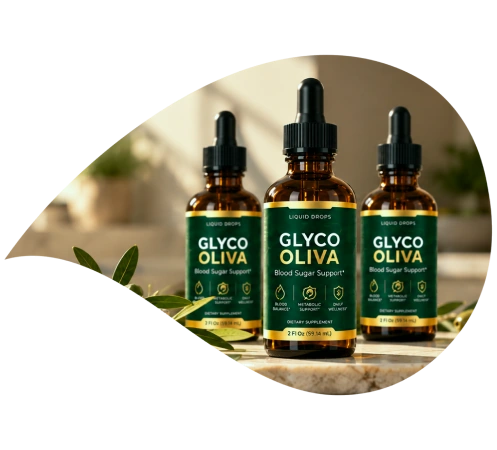
GlycoOliva offers a 60-day satisfaction promise from the original purchase date. That is the starting point for this guide. The detailed conditions, current contact route and return instructions must be confirmed with the seller or retailer for your order.
Do not assume that a short guarantee badge explains every requirement. A refund can involve several steps: making contact, receiving instructions, sending required items and checking the resulting payment. Understanding those steps before you buy is easier than trying to reconstruct them near a deadline.
This page helps you organize the questions and records. It does not invent a return address, promise that all costs will be refunded or replace the current policy. Use the terms attached to your actual purchase and obtain a written answer when an important point is unclear.
Know when the window begins
The wording in the product page uses the original purchase date. Do not automatically count from delivery, first use or the day you decide you are dissatisfied. Those dates can be later and are not interchangeable.
Keep the receipt and record the purchase date. If the current policy uses different wording, save that version and ask the retailer to clarify how it applies. A simple written answer can prevent a disagreement caused by different assumptions about the same promise.
Our GlycoOliva price guide also explains the difference between supply and policy length. The two-bottle package is described as 60 days of supply, but that does not mean use of the entire supply will always fit neatly inside a window that began before delivery.
Read the detailed terms before paying
Look for what the policy says about opened bottles, unused bottles, packaging, authorization and return costs. These are questions to resolve, not conditions to guess. If an answer would affect your willingness to buy, ask before you authorize payment.
The FTC online shopping guide recommends reviewing return terms and keeping purchase records. For GlycoOliva, save the policy alongside the order confirmation rather than assuming the seller’s page will always remain identical.
A satisfaction promise can be useful, but it should be understandable. If the detailed policy cannot be found or support cannot explain it, pause the purchase. You should not need to commit money before discovering the process for requesting it back.
A larger package does not extend the promise
Six bottles are described as a 180-day supply. The seller’s promise is 60 days from the original purchase date. Those statements describe different things: how much product is supplied and how long the promise runs.
Do not assume that you can use a full six-bottle package and then request a refund under the same 60-day wording. Ask the seller about the exact conditions if a longer period is central to your decision. Do not rely on an informal comment from an unrelated review site.
The package comparison keeps the unit savings visible, while the full review considers the overall purchase. Read both timelines together before deciding that a larger order carries the same practical commitment as a smaller one.
Use the contact details linked to your order
Start with the order confirmation or retailer receipt. It is the best place to connect the purchase with the appropriate support route. A general contact page found through a search may not know which retailer processed your payment.
Include the order number, purchase date and a clear statement of what you want. Do not send your full payment-card number in an ordinary message. Support should be able to begin identifying the order from the reference details on your receipt.
If the confirmation is missing, check the email account used at checkout and its spam folder. Then ask the retailer how to locate the purchase. Do not create a duplicate order just to obtain a fresh receipt or access a contact route.
Make the first request clear
Write a short factual message. State that you are requesting a refund under the applicable satisfaction promise, identify the purchase and ask for the required next steps. A concise message is easier to process than a long account with no clear request.
Ask whether you need an authorization reference, which items must be returned and which date matters for compliance. If support answers only part of the question, ask for the remaining details in the same thread.
The customer complaints guide explains how to organize a service issue. You do not need to make unsupported accusations to be firm. Clear dates, a clear request and a complete record give your message more practical value than angry language.
Confirm the address before sending anything
Do not mail bottles to an address taken from a footer, a payment descriptor or an old third-party article without confirming that it is the correct return destination for your order. A business address and a returns facility may serve different purposes.
Ask for the address in writing and check whether the instructions require a reference on the parcel or inside it. Confirm whether the seller needs all bottles, including any opened or empty containers. Follow the current instructions rather than assuming another customer’s return process is identical.
Keep the reply with your receipt. If there is a discrepancy later, you will have a record of the instructions you followed. Sending the parcel quickly is useful only when it is being sent to the right place with the required information.
Keep evidence of what you return
Before closing the parcel, record the contents and relevant product details. Keep a copy of any authorization and shipping receipt. If tracking is used, retain that information until the matter is fully resolved.
Do not treat tracking as a guarantee that every policy condition has been satisfied. It is one part of the record. The seller may still need to identify the order and process the refund, which is why the contents and reference information matter too.
A tidy record lets you ask a specific follow-up question: the return was delivered on a stated date; what is the next step? That is more useful than repeating the original request without indicating whether the parcel has arrived or what instructions were followed.
Ask about the amount, not just approval
If a refund is approved, confirm the amount and what it includes. Product cost, original shipping, return shipping and any other charges may be treated differently under the applicable policy. This guide does not promise that all of them are refundable.
Check which payment method receives the refund and how the retailer describes its processing steps. Avoid inventing a universal number of days. If a time estimate is given, keep it with the approval so that you know when a reasonable follow-up is due.
Compare the eventual credit with the written explanation. If it differs, ask about the specific amount. A clear numerical question is easier to resolve than a general statement that the refund was wrong without the relevant figures.
Keep a refund request separate from a health concern
If you believe you have had a reaction, seek appropriate medical advice first. The retailer can discuss payment and returns, but it cannot replace a clinician’s assessment. Keep the bottle label and product information for that conversation.
The FDA guide to reporting supplement problems explains how consumers can report suspected serious reactions. Reporting a concern and requesting a refund are separate actions, and neither should delay necessary care.
Our side effects guide identifies ingredient-related questions. Do not keep using a product merely because you want to finish enough of it to justify a refund request. Health decisions should be based on professional advice, not an imagined rule about proving dissatisfaction.
If the process stalls, follow up with the record
Summarize the original purchase date, first request, instructions received and steps completed. Include the relevant references rather than pasting every previous message into a confusing new thread. Ask for the status and the next action needed.
Give the retailer a chance to identify the issue, but keep track of any time limits that may apply to payment disputes. The FTC information on disputing charges explains general US consumer considerations. Your payment provider can explain the process for your specific method and circumstances.
Do not describe a purchase you authorized as an unauthorized transaction simply because you are dissatisfied. Explain the actual problem accurately. A refund disagreement, non-delivery and an unfamiliar charge are different issues and should be reported as such.
Before buying again, resolve what went wrong
If you returned a package because of unclear directions, missing label information or an unresolved suitability question, address that issue before placing another order. A new discount does not change the reason the first purchase failed to fit.
If the issue was delivery or support, consider the documented resolution. Did you receive a clear answer and an outcome you understand? A future order should be a fresh informed decision, not an automatic reaction to an email offer.
Read the where to buy guide for transaction checks and the ingredients guide for formula questions. Keep service quality, product suitability and price separate enough that one positive feature does not hide an unresolved problem in another area.
An example of a clear refund request
A useful request can be simple: I purchased the three-bottle GlycoOliva package on the date shown in my receipt. I would like to request a refund under the applicable satisfaction promise. Please confirm the required return steps, destination, deadline and which items must be included.
Add your order reference in the private support message. Do not publish it in a review or send unnecessary payment details. If your reason involves a health concern, state only the information needed for the transaction and seek medical advice separately.
This wording does not assume that every condition has already been met or that support has approved the request. It asks for the process clearly and gives the retailer enough context to identify the purchase. After receiving a reply, compare it with the policy saved at checkout and ask about any discrepancy before acting on an unclear instruction.
Distinguish a return authorization from a completed refund
A message authorizing a return is one step. Sending the parcel is another. Delivery to the return destination is another. A refund appearing through the payment method is a later event. Keep those stages separate in your notes.
This helps you ask the right question at the right time. Before shipping, you may need an address or contents list. After delivery, you may need confirmation that the order was identified. After approval, you may need an explanation of the amount or payment timing.
Avoid repeatedly restarting the request as though none of the previous steps happened. A short status summary is easier to follow and reduces the chance that important details disappear in a long thread. Your aim is to identify the current stage and the next action, not to collect several partial conversations that each describe only part of the transaction.
Preserve the original policy without turning it into an argument
A saved policy is useful evidence of what was presented when you bought. Keep it with the date and receipt. If a later instruction seems inconsistent, ask support to explain the difference using the relevant wording rather than immediately assuming bad intent.
There may be a misunderstanding about the starting date, the package or which retailer processed the order. Clear questions can identify those issues. If the explanation still does not resolve the matter, your organized record helps you seek further guidance from the appropriate payment provider or consumer resource.
Be accurate about what happened and what you authorized. A strong complaint does not need invented details or an exaggerated health claim. It needs a clear sequence, the applicable promise and a specific unresolved issue. That approach is useful whether the result is a refund, a replacement or a decision not to buy the product again.
A useful refund plan starts before checkout
Before purchasing, you should know the starting date, contact route and where to find the full conditions. After purchasing, you should have the receipt, policy and any correspondence saved together. Those are ordinary preparation steps, not a prediction that you will need to return the product.
Return to the homepage when you want to compare package quantities. If the seller’s current terms are clear and the formula fits your circumstances, you can decide whether the purchase is worth the commitment. If the terms remain unclear, waiting is more sensible than treating a short promise as complete protection.
Review the current offer.
Compare package quantities, check the complete label and read the seller’s current terms before paying.
Visit Official Website ↗Back to the package comparison