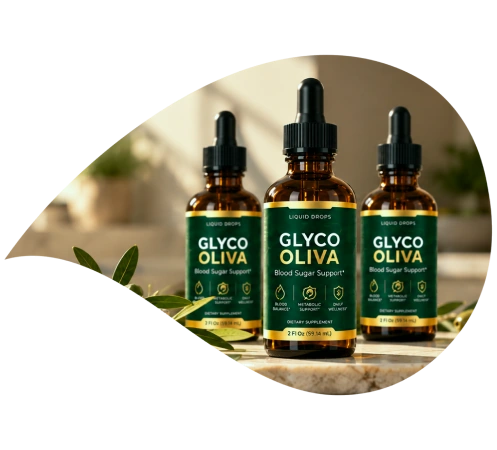
GlycoOliva customer reviews can help you ask better questions, but a collection of stars cannot answer every question about the product. Delivery, customer service, taste, convenience and health outcomes are different experiences. Read them separately.
This guide does not publish a complaint rate, customer rating or verified-purchase count. There is no independently verified customer dataset behind such a number on this website. The supplied testimonial portraits are also excluded.
If you are checking GlycoOliva before buying, focus on information that helps you make a decision. If you already have a problem with an order, focus on the record and the remedy you want. Both tasks become easier when you move past broad labels and write down exactly what happened.
Separate product complaints from order complaints
A delayed parcel is an order issue. A leaking bottle is a product-condition issue. A request for a refund is a service issue. A claim about symptoms is a health issue. They may happen in the same purchase, but they require different responses.
Before drawing a conclusion from a review, identify which issue it describes. A complaint about a delivery address cannot establish whether the formula works. A positive account of friendly support cannot establish the supplement’s safety.
Use that same distinction when writing your own message. Instead of saying everything was terrible, state whether you received the wrong quantity, found damage, cannot locate tracking or need return instructions. Specific wording gives support a practical problem to investigate and gives you a clearer record if the matter remains unresolved.
A verified-purchase badge needs context
A badge may indicate that a platform has matched a review to an order, but its meaning depends on the platform. On a seller-controlled page, you may not be able to inspect how the badge was assigned. Appearance alone is not an independent audit.
The FTC review evaluation guide advises readers to look critically at online feedback. For GlycoOliva, this website does not adopt the seller’s rating total as an independently confirmed fact.
Ask what the review actually allows you to check. Does it name the package and explain a specific experience? Is there enough information to distinguish a purchase account from a promotional statement? You do not need to prove a review false before deciding that it provides too little detail to influence your purchase.
Look for the complete customer-service story
A complaint posted before a reply tells you the customer was unhappy at that point. It may not tell you whether a refund followed or a replacement arrived. An update can change your understanding of the service experience without erasing the original inconvenience.
When possible, read the initial problem, seller response and final outcome together. Look for clear dates and a description of what was requested. A generic response is less useful than one that addresses the actual issue.
Avoid assuming that a favorable ending means every future problem will be resolved the same way. It is one account. The practical lesson is to learn which contact route worked, what information support needed and how the customer documented the request. Those details can be useful even when the overall rating is not.
Health stories require a different standard
A reviewer may report feeling better while using GlycoOliva. That account does not identify what caused the change. Meals, activity, sleep, illness and prescribed treatment may all be part of the same period.
A medical test mentioned in a review also needs context. Was the same test used under comparable conditions? Did treatment change? Was a clinician involved? Without those details, a number can sound precise while still being hard to interpret.
Read the NCCIH guide to understanding health stories alongside strong claims. Our evidence guide explains why personal accounts and controlled research answer different questions. Respect a person’s experience without turning it into a prediction for your own health.
Check whether the writer has a financial connection
An affiliate review can still provide useful facts, but readers should know that a purchase may generate commission. This website uses affiliate links and says so. That connection is part of the context in which you should read its buying guidance.
Do not assume an article is independent simply because it uses a first-person voice or gives a product a precise score. Ask how the score was calculated and whether the writer distinguishes supplied product details from direct experience.
The full GlycoOliva review identifies its limits without pretending to be a personal trial. Apply the same standard to other sites. A clear explanation of what was checked is more useful than a confident verdict whose method you cannot examine.
If your GlycoOliva order has not arrived
Start with your order confirmation, not a new sales page. Check the delivery address, purchase date, package quantity and any tracking message. Look in the email account used at checkout, including its spam folder.
If the tracking information is unclear, contact the seller or retailer using the details on the confirmation. Ask for the current status and the next concrete step. Include the order number, but do not send full payment-card details in an ordinary support message.
The FTC online shopping guide explains why purchase records matter. Keep your inquiry and the response together. If the retailer asks you to wait, note the date and the reason. A written timeline makes it easier to understand whether the situation is progressing or simply repeating.
If bottles arrive damaged or incomplete
Take clear photographs of the outer parcel, packaging and affected bottles before discarding anything. Record what you ordered and what arrived. A short list such as six bottles ordered, five received is easier to investigate than a long message without the quantity.
Do not use a bottle with a broken seal or questionable condition while waiting for support to answer. Ask for instructions about replacement, return or disposal, and keep the reply. Product-condition questions should be resolved before the contents become part of your routine.
Our where to buy guide includes arrival checks. These steps are practical recordkeeping, not a claim that GlycoOliva commonly arrives damaged. No complaint frequency is established here, so the guide does not invent one.
If you want a refund
Find the promise and policy that applied when you purchased. GlycoOliva offers a 60-day satisfaction promise from the original purchase date. Do not assume that opening a ticket automatically completes every return requirement.
Ask support for the exact return instructions, deadline, destination and required contents. Keep copies of what you send and any tracking receipt. If instructions are unclear, seek clarification in writing before sending the parcel to an address found elsewhere online.
The GlycoOliva refund guide helps you organize that process. It does not promise a particular result or create extra rights beyond the applicable terms. Its purpose is to help you make a clear request and retain the evidence of each step.
If you notice a possible reaction
A health concern needs a health response before a customer-service discussion. Seek appropriate medical advice and tell the clinician what you used, how much and when. Keep the product label and packaging so the ingredients can be checked.
Do not describe an unpleasant symptom as detox or proof the supplement is working. That explanation can delay a useful assessment. The FDA supplement consumer information discusses the need to consider risks and communicate with healthcare professionals.
Read our side effects guide for ingredient-related questions. A report made after using a product does not by itself prove causation, but that uncertainty is not a reason to ignore symptoms or keep taking more while waiting for a refund response.
Write a review that other buyers can use
State what you bought, when it arrived and what aspect you are reviewing. If the review concerns service, describe the question and response. If it concerns usability, explain the measuring routine, packaging or instructions without turning personal preference into a universal judgment.
Avoid sharing your full address, order number or private medical records publicly. Those details belong in appropriate private support or healthcare channels. A public review can be specific without exposing information other people do not need.
If the issue is later resolved, add an update that explains the result. That gives future readers a fuller account. Clear, proportionate writing is more useful than either a glowing slogan or an accusation that goes beyond what you can personally document.
Compare two reviews without counting stars
Imagine one account says the product is amazing and gives no other detail. A second says the customer ordered three bottles, received them on a stated date and obtained a clear answer to a question about the label. The second account may carry a less dramatic tone, but it gives you more usable information about the purchase.
Now imagine a negative account that says only scam. Without an explanation, that word does not identify a specific failure. A complaint describing an incorrect quantity and the attempts to resolve it is more useful, regardless of how many stars accompany it.
Read for the observable event first. Then consider the writer’s interpretation. You can accept that a parcel arrived late without accepting every conclusion the writer draws about the manufacturer. You can appreciate good support without treating it as proof of a health benefit. Separating event from verdict makes reviews easier to use fairly.
Keep a private timeline instead of a public argument
If your order has a problem, make a small timeline: purchase, confirmation, expected shipment information, contact, reply and any return. Add the relevant document beside each event. This can be done in a simple note; it does not require a complicated spreadsheet.
The timeline helps you identify the missing step. Perhaps tracking was supplied but the address needs checking. Perhaps a return was authorized but not yet sent. Perhaps the retailer asked a question that has not been answered. These are different situations with different next actions.
A public argument rarely keeps that structure clear. You may still choose to write an honest review, but use the private record to resolve the actual issue. Keep personal details out of the public post and update the account if the outcome changes. The purpose is a documented resolution and useful information for other buyers, not a larger collection of increasingly heated comments.
Ask what would change your interpretation
Before deciding a review proves something, ask what extra detail might alter your view. If a missing parcel was later delivered, that would affect the delivery story. If a refund was refused because the request was outside the stated window, that would affect the policy discussion. If symptoms occurred while several treatments changed, that would affect a claim about cause.
These questions do not excuse poor service or dismiss health concerns. They keep the conclusion proportionate to the information. A careful reader can take a complaint seriously while still wanting the full context.
Apply the same standard to praise. If a reviewer received the product free or earns a commission, that context matters. If a benefit is described without a clear observation, it carries less weight. The aim is not to find a perfect review that settles everything. It is to gather specific information and keep the remaining decisions grounded in the label, evidence, price and terms.
Keep review dates connected to the right offer
A review written about an earlier purchase may describe a different price, package or policy. Check whether the experience concerns the same offer you are considering. Do not use an old shipping comment as a firm promise about today’s delivery terms.
Dates also help distinguish an unresolved issue from one that was updated later. Read the sequence rather than selecting the sentence that best fits the conclusion you already wanted. A fair assessment can acknowledge both an initial problem and a subsequent resolution.
For your own decision, use current product information and current terms. Use older feedback as background about a particular experience. This keeps reviews in a helpful role without asking them to serve as a live price list, a complete refund policy or evidence of the formula’s medical effectiveness.
Use the patterns carefully
Several detailed accounts of the same issue deserve more attention than one vague comment. Even then, you need context: the number of purchases, dates, platform and resolution process. A visible set of complaints is not automatically a reliable complaint rate.
Do not use the absence of negative reviews as proof that no problems exist. Equally, do not assume a complaint proves deliberate wrongdoing. Look at what can actually be checked and which questions remain open.
Return to the homepage when you want the product overview, or compare package prices after resolving your concerns. Reviews are one input into the decision. The label, your health circumstances, checkout terms and budget still need to make sense on their own.
Review the current offer.
Compare package quantities, check the complete label and read the seller’s current terms before paying.
Visit Official Website ↗Back to the package comparison