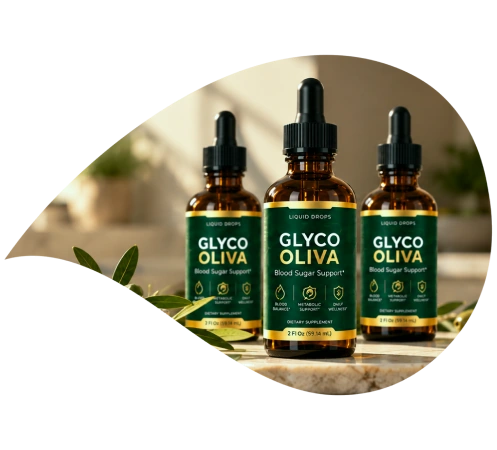
GlycoOliva is positioned around metabolic wellness, healthy glucose metabolism and a convenient liquid routine. Those phrases describe its intended role. They do not establish a guaranteed change in blood sugar, energy, weight or long-term health.
For a buyer, it helps to separate practical features from health outcomes. A dropper bottle is a visible feature. A package price is a checkable number. A claim that a product improves your health needs evidence about the product and the outcome being promised.
This guide looks at GlycoOliva benefits through those separate lenses. You can be interested in the formula without giving every benefit claim the same level of trust. The aim is a purchase you can explain clearly, including the parts that remain uncertain.
A liquid format can be a practical preference
Some people prefer a measured liquid to swallowing capsules. If that describes you, the drop format is relevant to your daily routine. It can make the product easier to consider, provided you are comfortable measuring the serving accurately.
Convenience is personal. A bottle that fits neatly beside breakfast may be awkward if you travel often, share storage space with children or dislike handling a dropper. Think about the real setting in which you would use it rather than the tidy scene in a product photograph.
Our liquid drops guide covers measuring and handling. The benefit to assess here is simple usability. It does not require a claim that liquid supplements are universally superior to tablets or that GlycoOliva reaches the bloodstream faster than competing products.
Glucose support is not the same as diabetes treatment
Healthy glucose metabolism is a broad wellness phrase. Diabetes treatment is a clinical task involving individual targets, monitoring and care. Do not let similar wording blur the difference when you compare a supplement with prescribed treatment.
The FDA consumer supplement information explains that supplements do not undergo the same premarket approval process as medicines. A professional-looking website or familiar ingredient cannot change that distinction.
If your reason for buying is a concerning glucose result, take the result to your healthcare team. Ask what it means and what action is appropriate. A supplement might still be a topic for that conversation, but it should not become the explanation you use to delay a diagnosis, a follow-up test or treatment.
Chromium gives the formula a research context
Chromium picolinate is one of the named GlycoOliva ingredients. Research has investigated chromium and glucose-related outcomes, but the findings are not a simple promise that any chromium product improves those outcomes for everyone.
Read the NIH chromium overview if this ingredient is central to your interest. Then compare the disclosed GlycoOliva amount and preparation with the studies you are reading. If the necessary label details are missing, you cannot complete that comparison confidently.
A reasonable benefit discussion can explain why an ingredient is included while still acknowledging that the exact finished formula needs its own evidence. That is more useful than borrowing the most favorable result from an unrelated study and treating it as your expected outcome.
A blend is not a collection of guaranteed results
GlycoOliva names several botanicals and describes a broader proprietary blend. It is tempting to assign one benefit to every ingredient and add them together. That creates a persuasive list, but it does not establish how the combination performs.
The ingredients may be present at different amounts from those used in research. Their preparations can also differ. Even if two ingredients each have an interesting research background, that does not prove the combination has an additive effect.
Use the ingredients guide to examine what is actually disclosed. Ask whether a specific claim rests on a GlycoOliva trial, a single-ingredient study or a general explanation. Those evidence categories should stay separate, especially when a benefit would influence how much money you spend or how you manage your health.
Everyday energy is a broad and easily misunderstood claim
People use the word energy to describe many experiences: feeling less tired, being more motivated, getting through a busy afternoon or having more stamina. A review that says more energy does not tell you which change occurred or why.
Before treating that description as a GlycoOliva benefit, ask whether sleep, food, activity, illness or medicine changed at the same time. These are questions about interpretation, not accusations that a reviewer is dishonest. A real experience can still have more than one explanation.
If tiredness is persistent or unusual for you, seek an appropriate assessment instead of turning it into a supplement shopping problem. Write down what has changed and when. A clear description gives a clinician more to work with than a decision to try several wellness products in succession.
A consistent routine is useful, but the bottle is not the routine
Taking a product at the same time each day can feel organized. That feeling is separate from a demonstrated health effect. A routine can include useful habits without proving that every item inside it contributes equally.
The NIDDK healthy living resource covers established care habits for people with diabetes. A supplement should not consume the budget, time or attention needed for your agreed care plan.
Think about what you would keep doing if you did not buy GlycoOliva. Regular meals, suitable activity and prescribed care should remain in place. If the supplement purchase would displace those priorities, the practical balance is wrong regardless of how attractive the package offer looks.
Lower package prices are a financial feature
The six-bottle package has a lower price per bottle than the two-bottle package. That is a real numerical comparison: $49 versus $79 per bottle. It says nothing about whether you need six bottles or whether the product will help you.
A financial feature becomes useful only when it fits your intended use and budget. Unused product does not become valuable because the unit price was lower. A smaller order can be the more sensible spend when you want to limit your commitment.
See the GlycoOliva price guide for the package totals and shipping. Keep price benefits out of the health-benefit column. Saving money on a larger quantity is a purchasing decision, not a reason to expect a stronger or more certain biological result.
A satisfaction promise reduces some uncertainty, not all of it
The seller offers a 60-day satisfaction promise from the original purchase date. That gives you a policy to read and potentially use. It does not establish effectiveness, remove possible return costs or guarantee that the product will suit your health circumstances.
Compare the promise with the package length. A six-bottle order is described as a 180-day supply, so the whole supply period is not covered by a 60-day timeline. Write down the relevant dates rather than assuming they match.
Our refund policy guide explains the questions to resolve before paying. A clear return process is a customer-service feature. It should never be used as a substitute for checking the label, discussing interactions or deciding whether you can afford the purchase.
Testimonials cannot tell you the typical benefit
A customer can describe a genuine personal experience without establishing what most buyers will experience. A favorable selection of stories cannot tell you how many people noticed nothing, stopped early or changed several habits at once.
The FTC online review guidance helps explain why you should look beyond the appearance of a review. This site does not turn the seller’s rating claims into an independent score or reproduce the supplied customer portraits.
When reading customer reviews and complaints, look for detail about what was actually observed. A delivery review can help you understand delivery. A health claim requires a different level of evidence. Treating both as equally strong proof makes it harder to understand what the product can realistically offer.
Safety belongs in every benefits comparison
A benefit claim is incomplete if it ignores the person considering the product. Ingredients, medicines, existing conditions and other supplements can change whether a formula is a sensible option. There is no useful one-word answer to whether a mixed supplement is good for everyone.
NCCIH’s safety overview is a starting point for understanding why natural products still deserve scrutiny. For GlycoOliva, bring the complete panel to a pharmacist rather than relying on a list of headline botanicals.
Our side effects guide keeps that discussion separate from sales language. If an interaction question remains unanswered, pause the purchase. A lower price, liquid format or satisfaction promise does not compensate for missing information about suitability.
Put practical benefits and health claims in different columns
Make a two-column note before deciding. In one column, list things you can inspect directly: liquid format, package size, stated directions and total cost. In the other, list outcomes that would need clinical evidence, such as a sustained change in a medical measurement.
This simple separation prevents an easy-to-check feature from lending unsupported certainty to a harder claim. The bottle can be convenient even if an effectiveness question remains unanswered. The price can be clear even if the ingredient doses are not fully disclosed. Each part should earn its own place in the decision.
If the second column is your main reason for buying, spend more time on the evidence before comparing discounts. A practical feature cannot substitute for the outcome you actually care about. Equally, if your interest is primarily format and the formula has been assessed for you, there is no need to pretend that a convenience preference is a medical conclusion.
Avoid turning commitment into a benefit claim
A sales message may suggest that buying more shows commitment to your health. Your commitment is better shown by making an informed decision and following appropriate care. It does not need to be measured in the number of bottles in a checkout basket.
Buying a larger quantity can make it psychologically harder to stop when the routine does not fit. You may feel obliged to continue because the money has already been spent. That feeling is not evidence that continuing is useful or suitable.
Choose the quantity only after deciding the product makes sense. If you later have a concern, assess it on its merits rather than treating the purchase as an instruction to carry on. A package is a supply of product, not a contract with yourself to produce a favorable review. Keeping that distinction clear protects both your budget and your judgment.
A useful benefit statement stays specific
Compare two descriptions. The first says a liquid format may suit someone who prefers drops to capsules. The second says the formula transforms metabolic health. The first identifies a feature and a person who might value it. The second compresses several unmeasured outcomes into one persuasive phrase.
When writing your own reason for considering GlycoOliva, aim for the first kind of sentence. State the feature, the practical relevance and the unresolved question. This makes it easier to spot when an expectation has grown beyond the information available.
If you cannot describe the expected benefit without promising a medical result, discuss that expectation with your clinician before purchasing. You may need a different kind of answer from the one a supplement page can provide. A clear question is useful even when it leads you away from the product, because it directs your time and money toward the decision that actually needs attention.
Review the decision without forcing a success story
If you purchase, you are not obliged to describe the experience positively. Assess convenience, cost and any concerns honestly. A product can be easy to use without meeting your expectations, and a pleasant routine does not establish a medical effect.
Do not make a second purchase merely to avoid admitting that the first did not fit. Use what you learned to make a fresh decision. If you have a health concern, discuss it with an appropriate professional; if you have a purchase concern, use the seller’s support route.
Keeping the review honest also helps other buyers. Specific observations about the measuring device, instructions or service can be useful without an exaggerated health verdict. The aim is a clear account of what happened, not a story that justifies every pound or dollar already spent.
Decide what would count as useful to you
Before ordering, define your reason in plain language. Perhaps you prefer drops and want to discuss this formula with your clinician. Perhaps you are comparing the ingredient transparency of several supplements. Those are specific decisions you can evaluate.
Avoid setting a private expectation that the product will normalize a test or produce a particular change by a particular day. There is no basis here for promising that outcome. If a medical measurement is relevant, let your healthcare team explain how it should be interpreted.
The does GlycoOliva work guide looks more closely at evidence and outcomes. Return to the homepage when you want to compare the product’s practical features with the price. Buy only when the information, your budget and your expectations fit together.
Review the current offer.
Compare package quantities, check the complete label and read the seller’s current terms before paying.
Visit Official Website ↗Back to the package comparison